Creating a family command center is a smart and simple way to keep everyone on the same page. Whether you have a busy household with kids, work commitments, or various activities, having a central spot for schedules, reminders, and important information can reduce stress and improve communication. This guide will walk you through the steps to set up an effective family command center tailored to your needs.
What Is a Family Command Center?
A family command center is a designated area in your home that helps organize daily life. It typically includes calendars, to-do lists, mail organizers, keys, and more. The goal is to have all essential information in one place, making it easier to plan, coordinate, and manage your family’s busy life.
Benefits of a Family Command Center
– Improved communication: Everyone knows what’s coming up and what needs to be done.
– Reduced clutter: Keeps papers, schedules, and important items organized.
– Increased productivity: Helps family members stay on track with tasks and appointments.
– Stress reduction: Fewer last-minute surprises and forgotten commitments.
Choosing the Right Location
The first step is to select a convenient spot for your command center. Ideally, it should be a high-traffic area where family members naturally pass by or gather. Common locations include:
– Kitchen wall or pantry door
– Near the main entrance or mudroom
– Hallway or stair landing
Make sure it’s accessible to everyone and visible to encourage use.
Essential Components of a Family Command Center
1. Calendar
A calendar is the heart of any command center. Use a large wall calendar, whiteboard calendar, or even a digital calendar displayed on a tablet. The calendar should show everyone’s appointments, school events, sports practices, and social activities.
2. Message Board
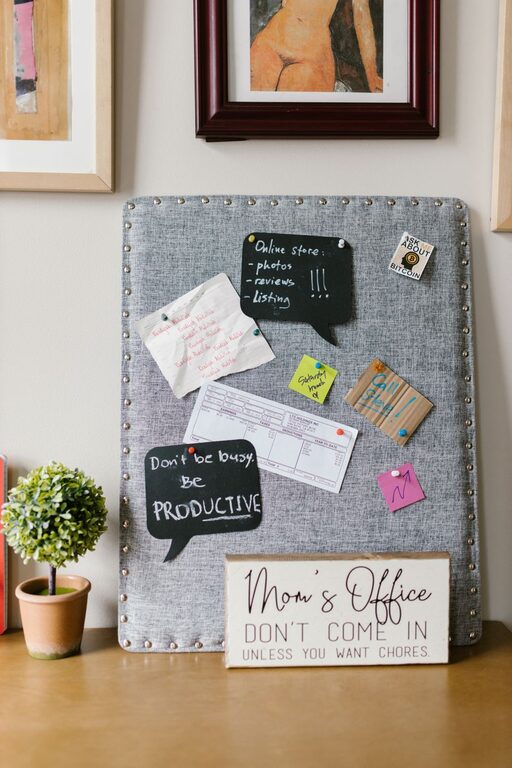
A chalkboard, whiteboard, or corkboard provides a space for notes, reminders, or inspirational quotes. It’s a place where family members can leave messages for each other or post important announcements.
3. Mail and Paper Organizer
Keep incoming and outgoing mail, permission slips, bills, and other papers sorted with wall-mounted organizers, baskets, or file holders. Designate sections for each family member if possible to avoid mix-ups.
4. Key Hooks and Charging Station
Install hooks or small baskets to hold keys, sunglasses, and masks. A charging station for phones and tablets nearby ensures devices are always ready to go.
5. To-Do Lists and Chore Charts
Track daily chores, grocery lists, and ongoing projects with checklists or charts. This helps distribute responsibilities and keeps everyone accountable.
Optional Extras
– Meal planning board: Plan weekly meals and grocery needs.
– Homework station: Designate a spot with supplies for kids to complete assignments.
– Family goals board: Highlight goals or projects everyone is working on.
– Inspiration or motivational quotes: Add a positive touch to the space.
Supplies You Might Need
– Wall calendar or whiteboard
– Corkboard or magnetic board
– Baskets, bins, or file holders
– Hooks or small shelves
– Pens, markers, chalk
– Labels or stickers for organization
Step-by-Step Setup Guide
Step 1: Gather Materials
Collect all supplies you want to incorporate, considering your space and family needs.
Step 2: Clear and Prepare the Space
Remove any clutter in the chosen location to create a clean, inviting area.
Step 3: Mount Your Boards and Organizers
Hang the calendar, message board, and paper organizers at eye level for easy use.
Step 4: Arrange Key Storage and Charging Area
Install hooks and set up any device charging equipment nearby.
Step 5: Personalize and Organize
Label sections for each family member, color-code for easy identification, and add any extra elements.
Step 6: Introduce the Command Center to Your Family
Explain how to use it, encourage everyone to participate, and adjust as needed over time.
Tips for Maintaining Your Family Command Center
– Review and update weekly: Regularly check calendars, to-do lists, and papers.
– Encourage family involvement: Make it a shared project that everyone contributes to.
– Keep it simple: Avoid overcrowding the space with too many items.
– Use color coding: Assign colors for each family member to keep information clear.
– Make it fun: Add photos, artwork, or seasonal decorations.
Conclusion
Setting up a family command center is a practical way to bring order to your busy household. With a little planning and creativity, it can become a helpful hub that keeps everyone organized and connected. Start small, customize to your family’s lifestyle, and enjoy the smoother days ahead!
About the Author